What’s Changing on Phoenix Walls in 2026
You know how every home flipped in the last ten years had the exact same gray walls. Those cool grays are quietly stepping aside for warmer, earthier colors that actually make sense in the desert.
We see this shift every single week during our interior painting projects across the East Valley. As the team at John Claude Painting AZ, we focus heavily on professional craftsmanship, and part of that means knowing exactly how local light affects color choices.
Homeowners arrive with inspiration photos that look completely different than they did just two years ago.
Zillow’s 2026 home trends report confirms this local shift, noting that neutral palettes are officially giving way to vibrant, mood-driven escapes. Designers across the Phoenix market are recommending warmth and depth to respond to our harsh sunlight.
Let’s break down the exact paint colors showing up in recent quote requests and how to use them.
Warm Earth Tones Lead the Year
Terracotta, baked clay, and soft rust are the absolute most requested colors for 2026. These grounded shades play perfectly with the natural Sonoran landscape sitting right outside your window.
Dunn-Edwards named Caramelized (DET687) as a recent Color of the Year, perfectly capturing this sunbaked clay look. Sherwin-Williams is pushing a similar direction with Grounded (SW 6089), a refined earthen brown from their 2025 capsule that carries strong into 2026.
A few notes on why these specific tones work in Phoenix:
- Light flattery: Our high-noon sun washes out pale, cool tones. Earthy pigments with a lower Light Reflectance Value (LRV) hold their rich character from morning to dusk.
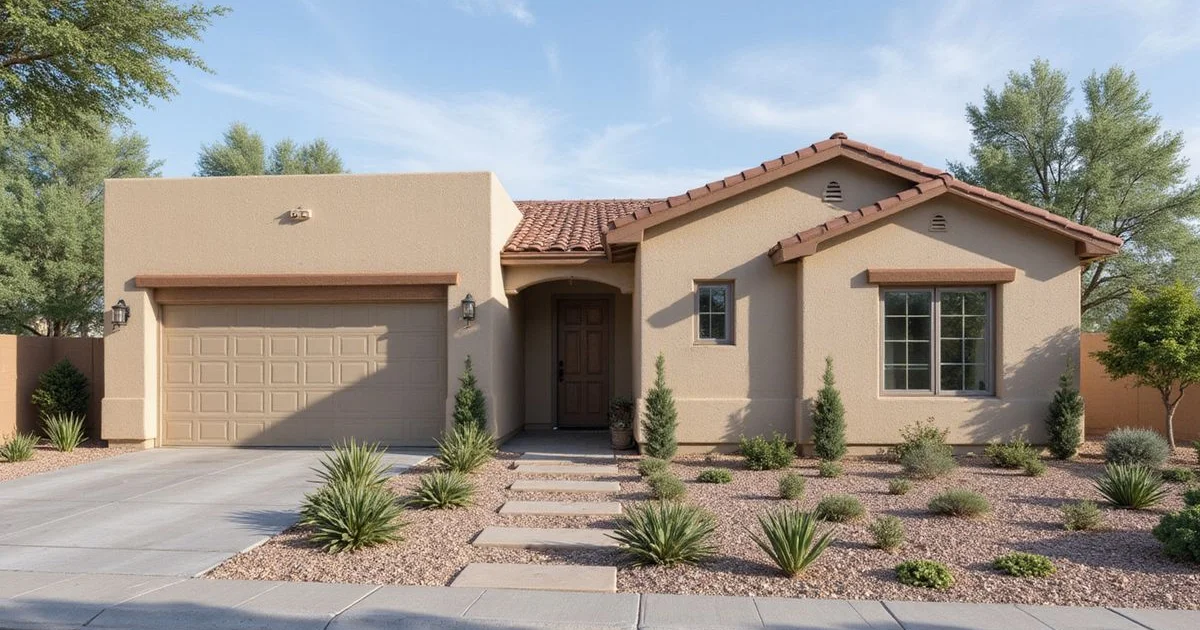
- Pairs with stucco: Most properties here feature warm exterior shells. Pulling that exact warmth inside creates a very smooth transition.
- Hides life: Mid-tone earth shades like Caramelized forgive scuff marks and fingerprints far better than crisp whites.
Start with a single accent wall in a powder room if you want a safer step into this style.
Living rooms handle the full commitment beautifully when you have generous natural light.
Soft Greens Come Indoors
Muted sages and dusty eucalyptus shades are the second-strongest design choice we are tracking right now. They behave exactly like neutral backgrounds once you get past the initial surprise of the swatch.
Sherwin-Williams Quietude (HGSW6212) is leading this charge as a soft sage with a slight blue influence. Dunn-Edwards also named Midnight Garden (DE5657), a muted green, as their 2026 Color of the Year.
Best Rooms for Muted Greens
Bedrooms, home offices, and breakfast nooks are the most common spots for these shades in recent East Valley jobs. These greens read calm rather than bright.
Designers frequently pair them with natural white oak flooring and unlacquered brass hardware to keep the look totally grounded.
We frequently suggest keeping the ceiling a warm white to reflect light back down into the room. This prevents the green from making the space feel closed off.
Warm Whites Replace Cool Whites
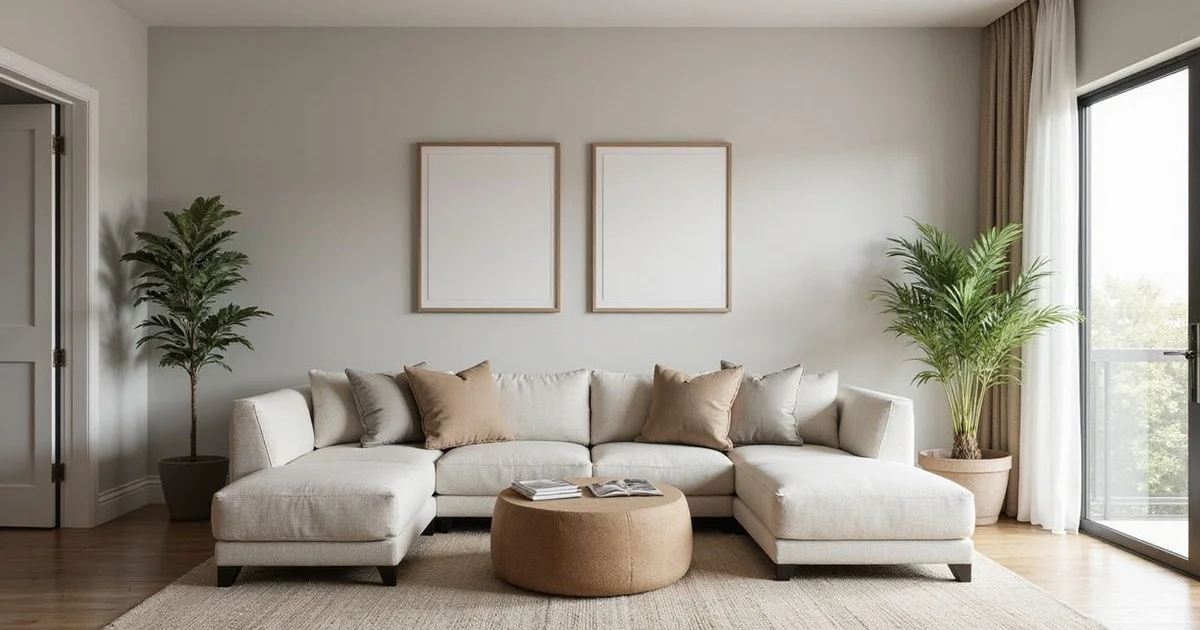
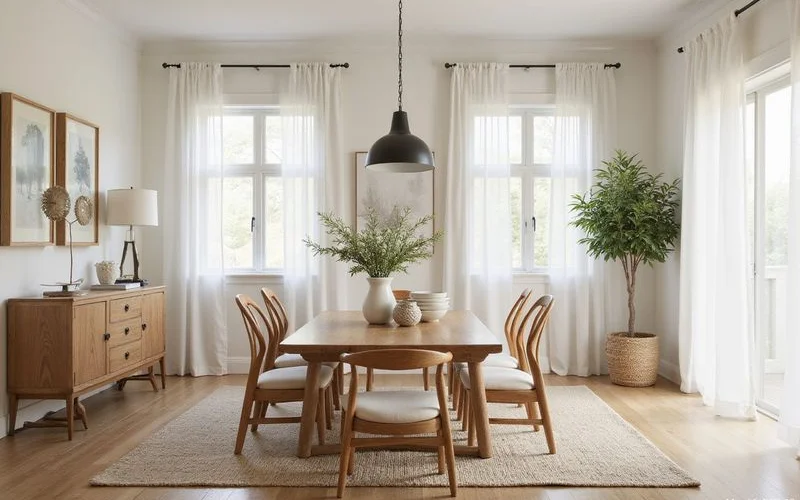
Pure whites and slightly blue-tinged whites are losing ground quickly across the metro area. The new defaults lean creamy, with a distinct hint of yellow or beige in the base.
Paint lines like Sherwin-Williams Sunbleached (SW 9585) and the classic Alabaster (SW 7008) are taking over.
There is a very practical reason for this shift in the local market. Phoenix homes take a beating from bright sunlight from every single angle.
Cool whites often read clinical or even faintly purple by late afternoon due to the changing color temperature of the sky. Warm whites stay flattering across the entire day.
A Short Guide on Undertones
This matters most when your living room faces a south or west exposure. Here is a quick reference for matching the right white to your light:
| White Family | Specific Paint Example | Best Room Exposure | Expected Mood |
|---|---|---|---|
| Warm linen | SW Sunbleached (SW 9585) | South and west facing | Cozy, sun-baked |
| Soft alabaster | SW Alabaster (SW 7008) | North facing | Gentle, balanced |
| Cool gray-white | SW Extra White (SW 7006) | Avoid in Phoenix | Often reads cold |
Color Drenching Goes Mainstream
The color drench look involves painting the walls, trim, ceiling, and built-ins all the exact same color. This immersive style has completely moved from designer magazines into standard suburban homes.
Mentions of this specific technique jumped 149% in recent Zillow home listings. The 2025 Houzz U.S. Emerging Trends Report also saw search volume for color drenching spike by 325%.
The result reads incredibly intentional rather than busy. It actually makes small rooms feel much larger by removing the visual breaks between surfaces.
Technical Prep Notes for Drenching
Muted greens, soft clay, and deep blues are the most popular choices for this method right now. A few honest notes from the preparation side:
- Sheen still matters: Use a flat or matte finish for walls, but keep trim in a satin finish to add subtle depth.
- One color requires different products: Ceiling paint and durable urethane trim enamel are formulated differently.
- Sample large areas: Drenching a room amplifies whatever the color does natively. Test a large 3-by-3 foot patch first.
Moody Blues for Statement Rooms
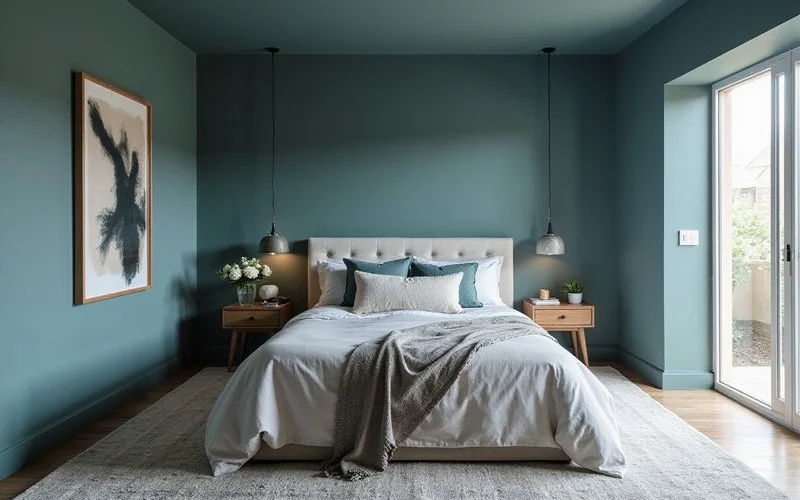
Soft pastel blues are out, and deep, stormy ink shades are taking their place. Deep navy, slate, and muted teal work beautifully on a single accent wall or the inside of a custom bookshelf.
Dunn-Edwards Jazz Age Blues (DET574) and Sherwin-Williams Rain Cloud (SW 9639) are two highly requested shades in this category. These colors sit lower on the Light Reflectance Value scale, meaning they absorb a lot of light.
Avoid them in bright south-facing kitchens unless you specifically want a heavy, cocooned feeling.
Where to Apply Dark Blues
Moody blues read perfectly in shaded rooms. Here are the best spots in a typical home:
- Home offices: Creates a focused, professional backdrop for video calls.
- Media rooms: Absorbs screen glare beautifully.
- Interior hallways: Adds drama to windowless transitional spaces.
How to Pick a Trend That Fits Your Home
Trends are highly useful as a starting point, but they become a massive problem when forced onto the wrong room. You have to test these shades against your specific architecture.
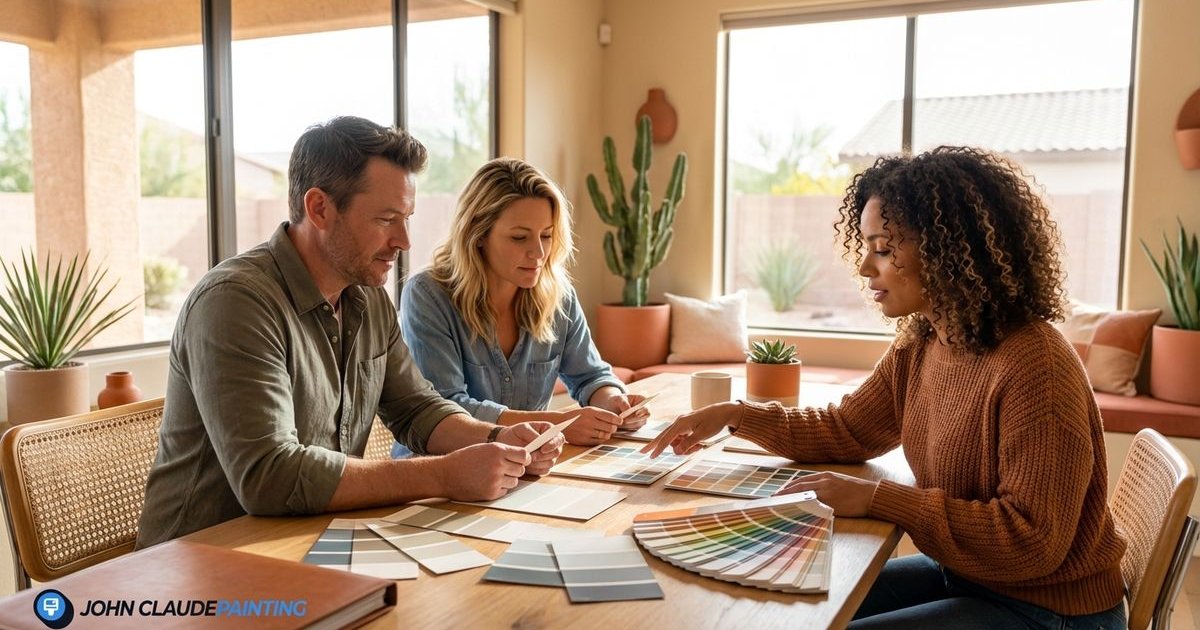
Instead of painting tiny swatches directly on your drywall, order large peel-and-stick samples from Samplize. These use real paint and can be moved around the room easily.
Before you sign a contract, run through this short checklist:
- Look at your light at three times of day. 8 a.m., noon, and 5 p.m. all render the exact same paint entirely differently.
- Stick your large Samplize swatches on different walls for at least 48 hours.
- Hold the swatch next to your flooring, your largest piece of furniture, and your kitchen cabinets.
- Ask whether the color makes you feel calm or alert. Both are completely valid, but pick on purpose.
- Check your HOA guidelines if any painted surface is visible from the street, including front doors.
The Connector Color Strategy
If you are repainting more than one room, choose a single warm white as your connector color.
Use this base shade in hallways and transitional spaces so the bolder rooms feel intentional rather than chaotic.
A Quick Note on Quality and Sheen
The 2026 trends lean heavily on depth and rich saturation, making the actual quality of the paint matter more than ever. Cheap products read flat and chalky in saturated colors.
High-quality acrylic lines like Sherwin-Williams Emerald or Dunn-Edwards Everest hold their color pigments much better against desert UV exposure. Spend the extra money on the premium line within the brand.
For sheen choices in these trending colors, stick to these rules:
- Matte or eggshell: Use this for the dominant wall color to hide drywall imperfections.
- Satin: Perfect for trim, interior doors, and humid bathrooms.
- Semi-gloss: Reserve this for kitchen cabinets and highly touched banisters.
Where to Start If You Want to Try One
Pick the smallest room in your house that you spend actual time in, like a powder room or a home entry. Try one of these 2026 directions there first to see how it feels.
You get the full dramatic effect, and you learn how the color behaves in your specific lighting. The financial cost is quite low if you decide to change your mind next year.
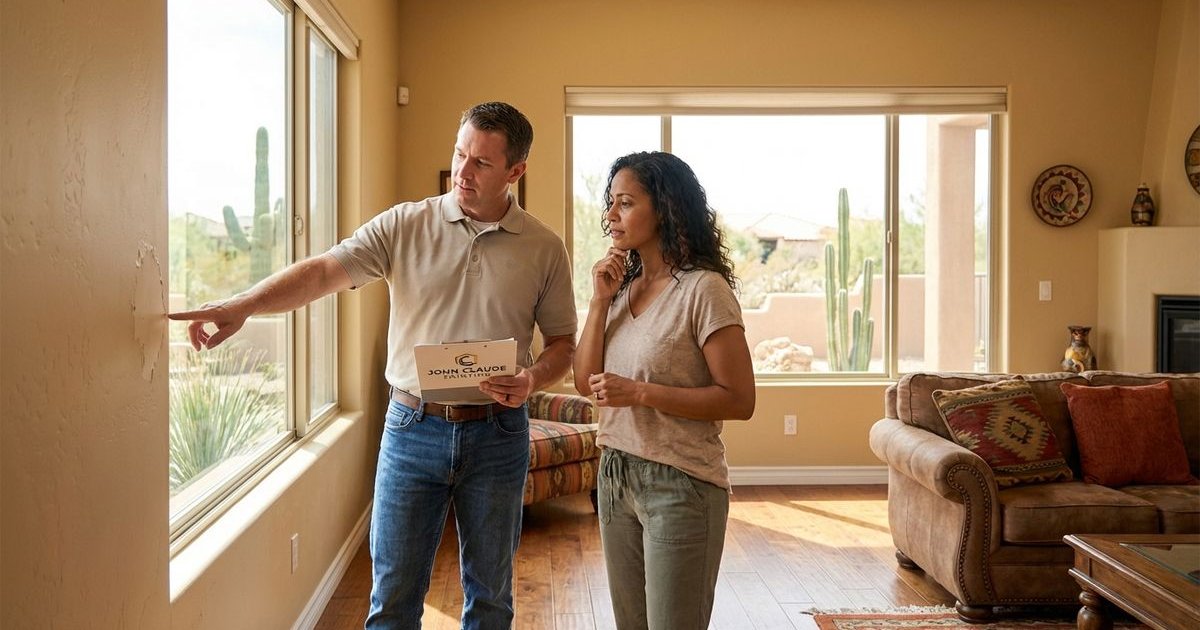
We are always happy to walk a few rooms with you to provide a second set of eyes. A quick walkthrough helps determine which trend families will hold up best given your ceiling height and existing finishes.
This localized advice points out exactly how the Phoenix sun will shift the color on your walls. Most color consultations take under an hour, and they frequently save people from paying to repaint a room twice.